Before mail order: specimens, seeds and silver
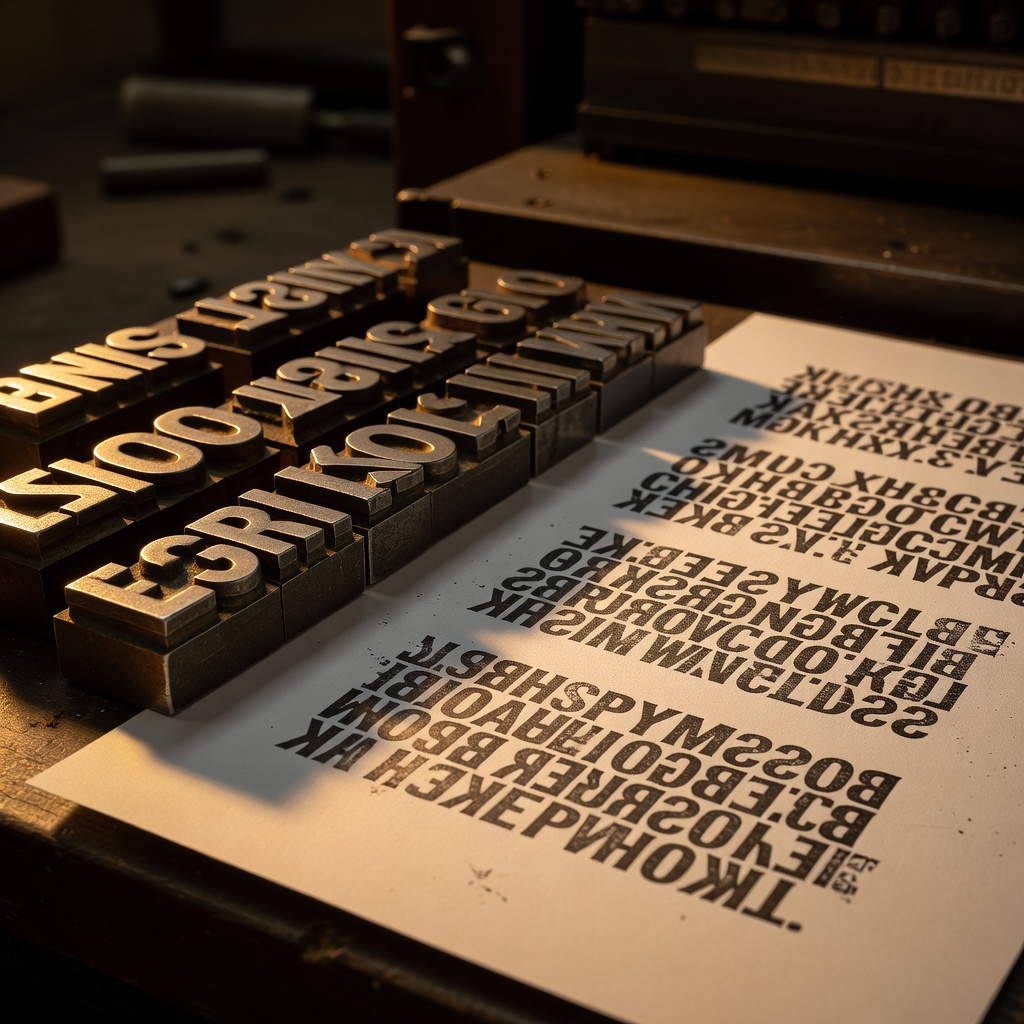
The earliest printed selling lists were written for the trade, not the household. Type founders issued specimen sheets so printers could choose a face; William Caslon's specimen of 1734 is the textbook example. Nurserymen and seedsmen printed lists of stock and prices for gardeners and estates. These were plain documents, often a single sheet, and survive in small numbers because nobody thought to keep them.
Retail catalogues for the public followed as printing grew cheaper. Tiffany & Co. issued its first "Blue Book" in New York in 1845, a catalogue the firm has continued in various forms ever since. Here the catalogue already does two jobs at once: it lists goods, and it tells the reader who the seller wants them to be.
The mail-order houses, 1872–1913
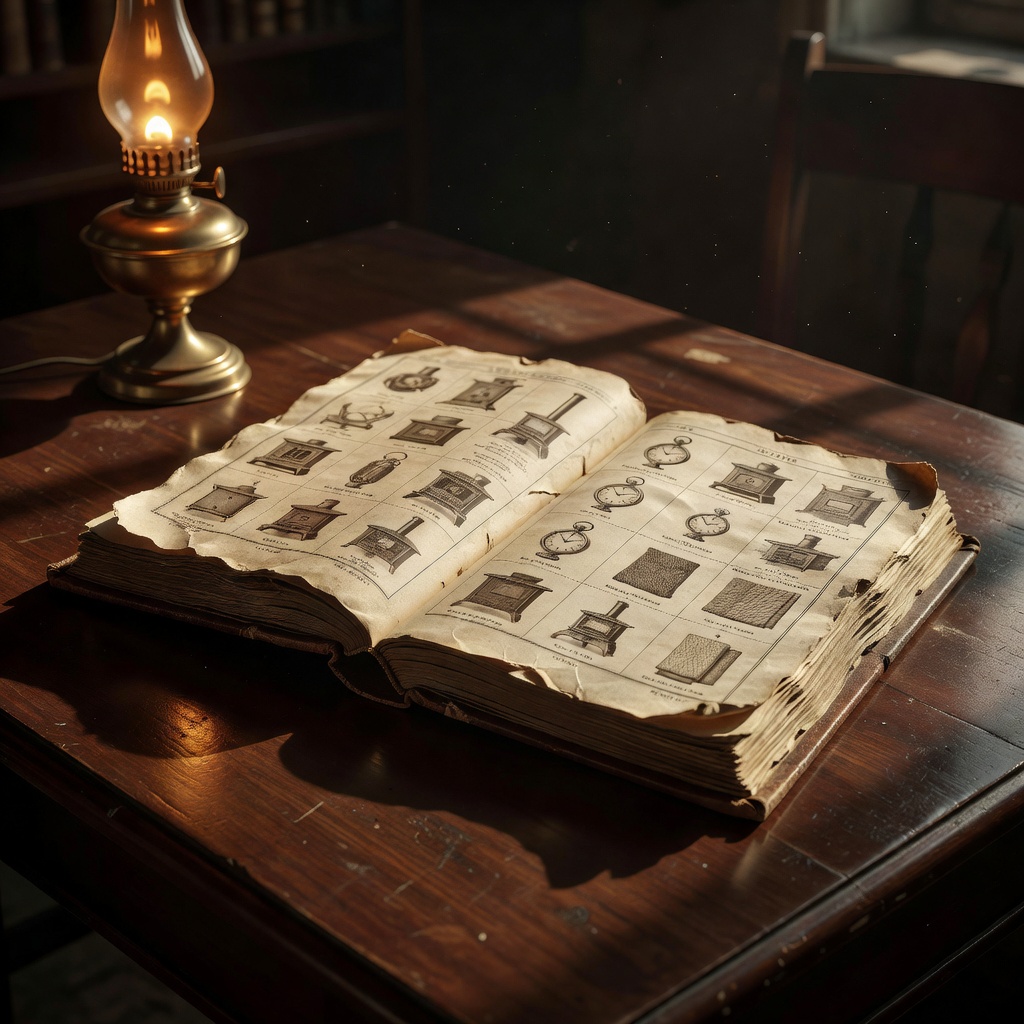
In 1872 Aaron Montgomery Ward mailed a single-sheet price list from Chicago, aimed at rural customers who paid high prices at the local general store. Within two decades the Ward catalogue ran to hundreds of pages. Richard Sears began with watches in 1888; Sears, Roebuck and Co. soon became Ward's great rival, and its general catalogue earned the nickname "wish book".
Infrastructure did the rest. Rural Free Delivery in the United States from 1896 brought post to farm gates, and Parcel Post from 1 January 1913 let heavy goods travel by mail. In Canada, Eaton's issued its first catalogue in 1884 and continued until 1976. Sears even sold houses: its Modern Homes programme supplied kit houses by mail order between 1908 and 1940.
For the collector, this is the period that defines the field. The large general catalogues record prices, sizes, materials and the names people used for ordinary things, season by season.
Counter-culture, showrooms and the last print runs
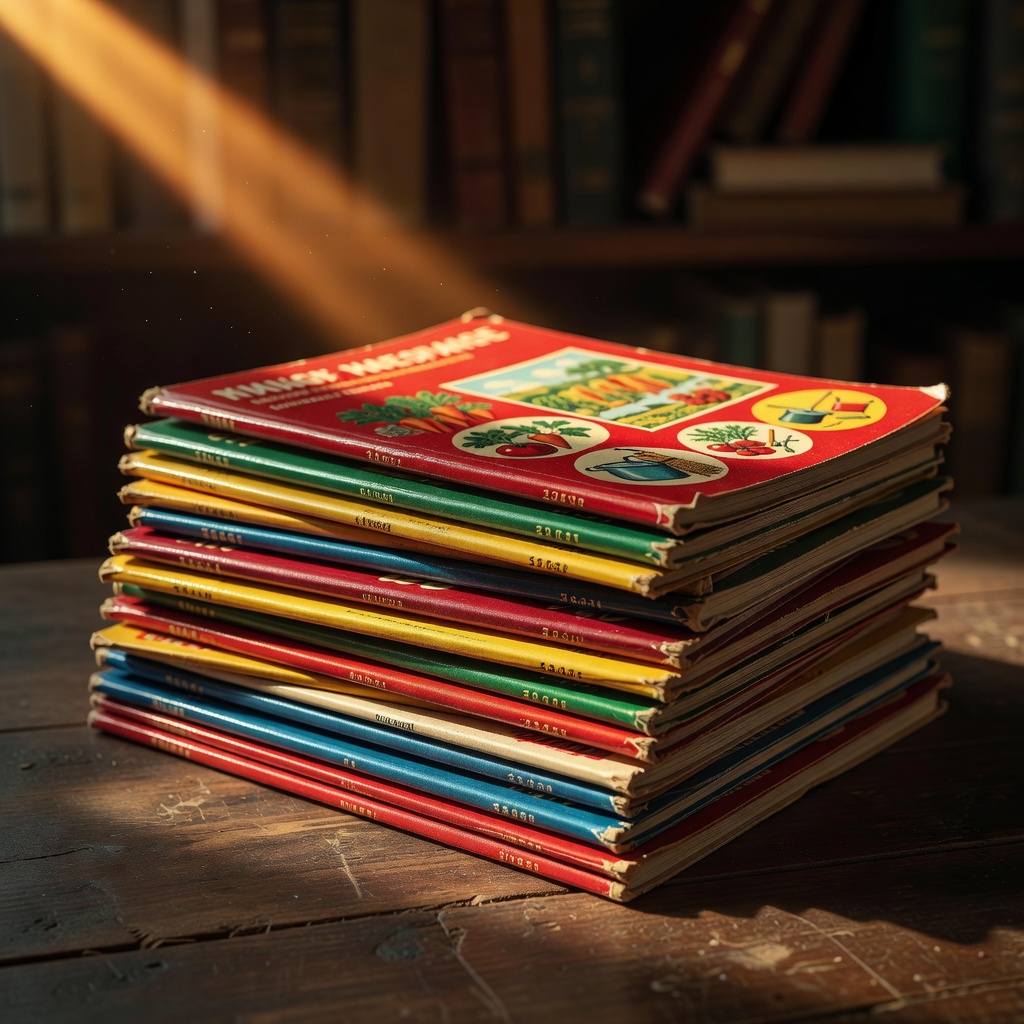
The form kept mutating. In 1968 Stewart Brand published the first Whole Earth Catalog, which sold almost nothing directly: it reviewed tools and books and told readers where to get them. In Britain, Argos launched in 1973 as a catalogue showroom, where customers chose from a printed book and collected goods at a counter. IKEA printed its first catalogue in Sweden in 1951.
Then the print runs stopped. Sears ended its general catalogue in 1993. IKEA announced in December 2020 that its 2021 edition would be the last, and Argos ended its regular printed catalogue the same year. The catalogue as a household object became, in a little over a century, an archival one.
That completes the arc this catalogue covers: from trade sheet to mass book to collectible record.
Key dates on record
Continue the catalogue
 02
 03
 04